
Choosing Organic Makeup: Ingredients, Labels, and Use
Choose organic makeup by shade, finish, formula and intended use. Use a first-wear checklist and sensible storage habits to assess your choice.
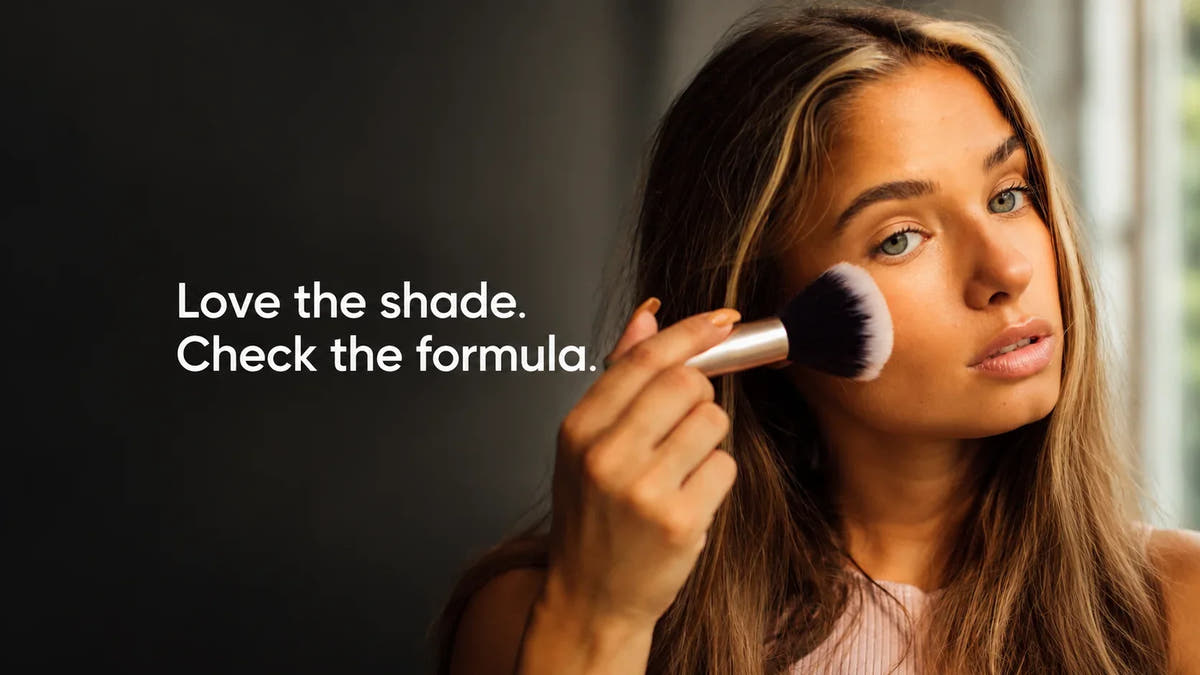
The shade looks beautiful in the photograph. The formula sounds appealing. But will you like wearing it at your desk, in daylight or after a few hours out?
Choosing organic makeup involves the same practical decisions as choosing any makeup: colour, finish, coverage, comfort and the way you apply it. Sourcing preferences can sit alongside those questions without replacing them.
Start with the result you want to see
Choose a clear brief before comparing products. “A sheer cheek colour I can blend with a fingertip” is different from “a matte lip colour for an evening event.” The word organic does not tell you which finish you will get.
Use product photographs as a starting point. Lighting, screen settings and the amount applied can change how a shade appears. When possible, compare a swatch in ordinary daylight and with the base products you normally wear. A heavily layered studio swatch is not a promise of an identical result on your skin.
Four checks before choosing a shade
From appealing photo to useful purchase
Keep the look you want and the information you need together.
01
Finish and coverage
Decide whether you want sheer, buildable or fuller coverage, and a matte, satin or luminous finish.
02
Area of use
Check whether the exact product and shade are intended for cheeks, lips, eyes or another area.
03
Formula and tolerance
Read the complete ingredients, especially if you already know a personal trigger.
04
Evidence and upkeep
Check the precise sourcing claim, directions, storage advice and any period-after-opening guidance.
Read the whole formula, including the shade details
Organic origin does not establish that an ingredient is safer or incapable of causing a reaction. [5] Read beyond the highlighted oil or plant extract, and check the ingredients for the shade you intend to buy.
For example, Dirran’s makeup ingredient record for Multi Stick lists oils and waxes alongside botanical extracts and possible colour ingredients. That is more informative than reducing the formula to a single appealing plant name. The product note below identifies several of the recorded ingredients.
If you have an established allergy, compare against the names your clinician gave you. Do not rely on a general “sensitive” or “hypoallergenic” description to settle that question. [1]
Multi-use should still mean a specified use
Only use cosmetics near the eyes when they are intended for that area. A lip product does not become an eye product because the colour looks right. Keep hands and applicators clean, and stop a product that irritates the area. [2]
For a multi-use stick, check the exact product and shade instructions, including any eye-area restrictions. A tutorial using a similar-looking item is not a substitute for your label. Avoid putting a cosmetic inside the eye or using a shared tester directly on sensitive areas.
Colour pigments such as titanium dioxide in an ingredient list do not, by themselves, establish the finished makeup’s SPF. Use a product’s labeled sunscreen directions when applicable; ordinary makeup should not be treated as verified sun protection merely because it contains a familiar mineral.
Make the first use a useful trial
The AAD recommends testing new skin-care products, including cosmetics, on a small area for seven to ten days before wider use. Follow normal use or removal instructions and stop if a reaction occurs. This does not replace medical allergy testing. [4]
Once you are ready to try the makeup normally, change one item at a time. Check the result in your usual light, note how it wears and judge whether removal is manageable. A product can be well made and still have a finish you do not enjoy.
| Check | Record this |
|---|---|
| Colour and finish | Look in ordinary daylight as well as indoor light; record the shade and base products used. |
| Application | Did it blend with your usual method, or require repeated rubbing or extra layers? |
| Wear and removal | Note creasing, transfer or patchiness you noticed, and whether your usual intended remover handled it comfortably. |
Judge preference separately from irritation. A finish you dislike is a shopping mismatch; burning, itching or a rash is a reason to stop the product.
Care for the makeup after you buy it
Wash hands before application, avoid sharing makeup, close containers properly and protect them from extreme temperatures. Discard a product if its colour or smell changes. [1]
Shelf life depends on the formula, use and storage. Follow the manufacturer’s guidance; an organic claim does not create a universal expiry period. Do not add water or saliva to revive dried mascara, and replace eye makeup used during an eye infection. [3]
Write the opening date somewhere you can find it. Keep brushes and applicators clean, and plan removal as part of the look rather than an afterthought. Our cleanser guide below can help if long-wear makeup takes repeated rubbing to remove.
A worthwhile choice earns its place through a combination of the look, the wearing experience and clear product information. You do not need to give up the shade you love to ask better questions about the formula.
Sources and further reading
- FDA: Using cosmetics safely
- FDA: Eye cosmetic safety
- FDA: Shelf life and expiration dating of cosmetics
- AAD: How to test skin-care products
- FDA: “Organic” cosmetics
Cover photograph: KoolShooters / Pexels. Composition adapted with AI assistance. Illustrative image; no diagnosis or treatment result is depicted.
Written by the Dirran Organic editorial team. Reviewed November 2, 2026. General skin-care education; individual conditions may need professional assessment.

Makeup and Grooming
Eyebrow Shapes: A Flexible Guide to Styling Your Brows
Compare four eyebrow shapes, learn the front, arch and tail, and try small changes with makeup before tweezing. Includes tool choices and grooming precautions.

Skincare Basics
How Cleansers Work: Surfactants, Skin Comfort, and Your Routine
See how surfactants lift oily residue, then choose a cleansing format and technique that suit what you wear and leave your skin comfortable.

Ingredients and Serums
What Is Organic Skin Care? Organic vs. Natural Labels
Decode natural, organic, USDA and COSMOS labels. Compare the percentage categories and distinguish an ingredient certificate from a finished-product claim.
Leave a comment+