
Plant-Based Skin Care Ingredients: Roles and Limits
Learn what aloe, jojoba, shea and green tea names reveal—and what they do not—with a practical guide to reading the complete skincare formula.
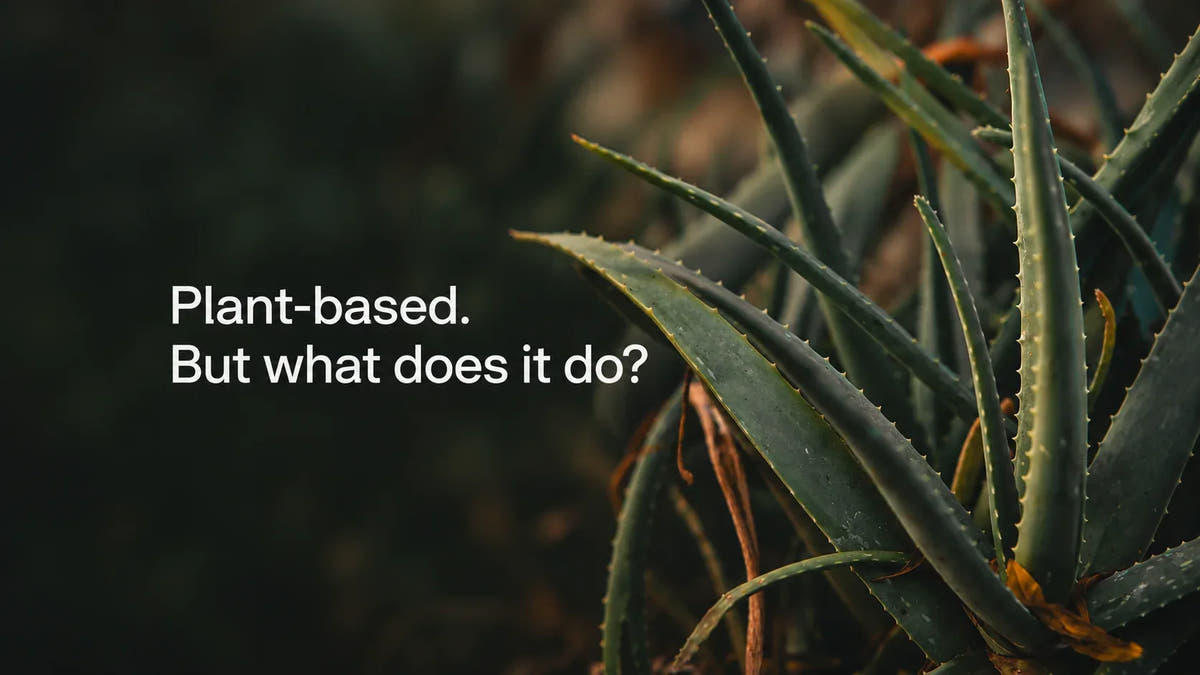
Aloe on the front. Jojoba in the description. Green tea in the ingredient list. Familiar plant names make a formula easier to picture—but what do they actually tell you about the product?
Start with the ingredient’s form and role. A leaf juice, seed oil, butter and extract are different materials. Their presence can help explain a formula without proving every claim made about the finished bottle.
Aloe: the preparation matters
Aloe ingredients can come from different parts and preparations of the leaf. NCCIH distinguishes inner-leaf gel, latex and whole-leaf preparations; they should not be treated as identical. Topical aloe gel is generally tolerated, but burning, itching and rashes have been reported. [1]
When reading a cosmetic, look for the actual ingredient name and product directions. Research involving a particular aloe preparation does not establish that every aloe-containing face cream treats burns, acne or another condition.
An aloe-themed photograph is also not an instruction to apply a freshly cut household plant to irritated skin. A finished cosmetic has its own formulation, preservation and intended use.
Jojoba: an oil name with a wax-rich composition
Jojoba seed oil consists predominantly of liquid wax esters. It is used in cosmetic formulations for conditioning and emollient functions. This is different from a water-attracting humectant’s role. [2] [7] [5]
It can contribute to how a product spreads and feels, but a familiar oil cannot tell you whether the complete formula will suit you. Do not infer a universal “will never clog pores” or “cannot cause a reaction” promise from its presence.
If you want to try a jojoba product, choose a clear purpose and follow the finished product’s directions. Our dedicated jojoba guide below explores everyday use in more detail.
Shea: conditioning is a role, not a complete routine
Shea-derived ingredients are commonly used as skin-conditioning ingredients. A published safety assessment considered their specific uses and concentrations; its conclusion depends on formulation that avoids sensitization. That is more qualified than saying every shea-containing product is suitable for everyone. [3]
A moisturizer containing shea may also contain fragrance, exfoliating acids or other actives. Read the remainder of the list before deciding when and where to use it.
For a concrete example, Dirran’s Ultra Lift record includes shea butter together with glycolic and lactic acids. The butter does not turn that night treatment into a plain, inactive moisturizer.
Green tea: identify the extract and the claim
Camellia sinensis leaf extract has reported cosmetic functions that include antioxidant and skin-conditioning roles. Those ingredient functions are not, by themselves, clinical proof that a finished serum reverses aging or treats a disease. [4]
Ask what was studied: the extract alone, a laboratory mixture or the finished product used on people. If a product also contains retinol or exfoliating ingredients, follow those treatment directions. Green tea in the list does not make every formula a gentle daytime serum.
Put the ingredient into the formula
| On the ingredient list | What to check next |
|---|---|
| Aloe leaf juice | Is the claim about this preparation and the finished formula, or about a different aloe extract? |
| Jojoba seed oil | It is a wax-rich emollient ingredient. Check whether you are buying pure oil, an oil blend or a cream. |
| Shea butter | Read the other ingredients: a butter-containing night treatment may also contain exfoliating acids. |
| Green tea extract | An extract name does not disclose its concentration or establish a clinical result for this product. |
Use this as a label-reading aid alongside the ingredient evidence above. A botanical headline is a starting point for comparison, not a complete formula.
Moisturizers often combine humectants that attract water, emollients that soften skin and occlusives that reduce water loss. One product can use several of these approaches. A plant oil and a hydrating serum therefore need not be substitutes for one another. [5]
Two shortcuts to leave behind
“Botanical means fragrance-free.” Plant-based formulas can contain fragrance-related ingredients. If you know fragrance triggers a reaction, check the full list and follow your clinician’s advice. [6]
“More plant extracts must mean better results.” Counting familiar names does not establish what the formula does. A long list may contain several ingredients with similar roles, while the product’s main function is determined by the formulation as a whole.
Try the finished product, not the ingredient story
Choose one product for a clear need and test a small area before wider use. Stop if it causes a reaction; a home trial is not medical allergy testing. [6]
Keep the packaging or full ingredients if you need advice later. The useful question is not simply whether a formula contains plants. It is whether you understand its purpose, can use it as directed and find it suitable for your skin.
Sources and further reading
- NCCIH: Aloe vera
- CIR: Safety assessment of jojoba-derived ingredients
- Burnett et al.: Safety assessment of shea-derived ingredients
- CIR: Safety assessment of Camellia sinensis-derived ingredients
- DermNet: Emollients and moisturisers
- AAD: How to test skin-care products
- COSMILE Europe: Jojoba seed oil functions
Cover photograph: UMUT / Pexels. Composition adapted with AI assistance. Illustrative image; no diagnosis or treatment result is depicted.
Written by the Dirran Organic editorial team. Reviewed November 2, 2026. General skin-care education; individual conditions may need professional assessment.

Ingredients and Serums
Jojoba Oil for Skin: Uses, Limits, and How to Try It
What can jojoba oil realistically do? Understand the evidence, compare pure oil with blends and moisturizers, and choose a sensible first trial.

Ingredients and Serums
What Is Organic Skin Care? Organic vs. Natural Labels
Decode natural, organic, USDA and COSMOS labels. Compare the percentage categories and distinguish an ingredient certificate from a finished-product claim.

Ingredients and Serums
Choosing an Organic Serum: Ingredients, Goals, and Skin Tolerance
Choose an organic serum for one clear goal. Compare the full formula, plan a careful introduction and decide whether it earns a place in your...
Leave a comment+